

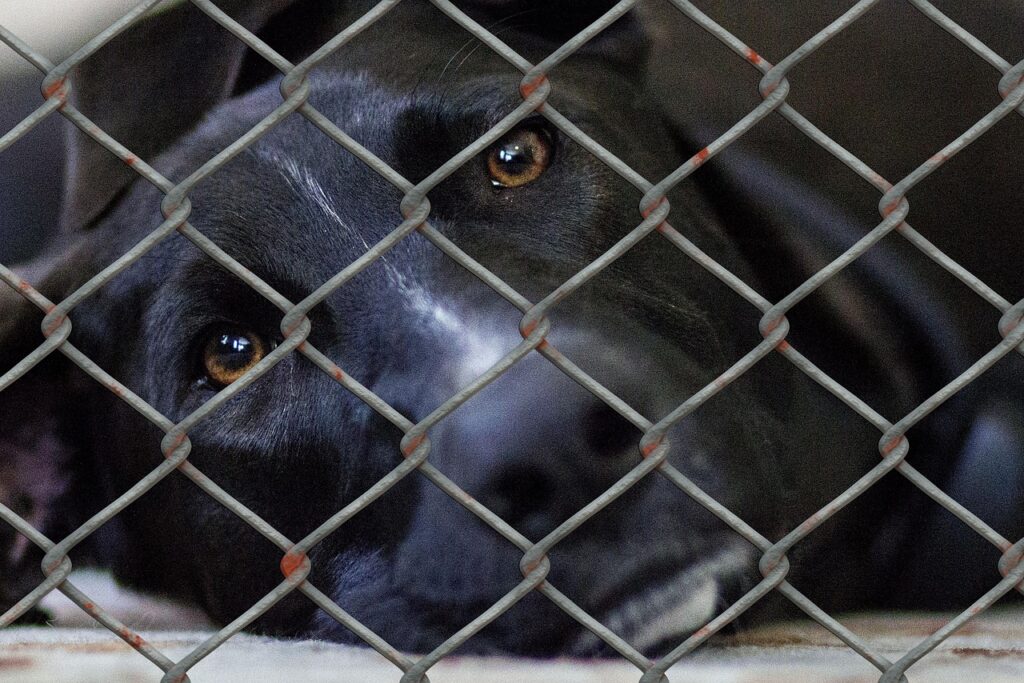
Dog fighting is one of the most violent and cruel forms of organized animal abuse. Despite being a felony in all 50 U.S. states and outlawed federally, it continues to operate in the shadows, fueled by gambling profits and secrecy. To dismantle it, communities must understand how these rings function, the signs to look for, and the steps to take if abuse is suspected.
How Dog Fighting Rings Operate:
Breeding and Recruitment
Organizers selectively breed or buy dogs for aggression, most often pit bull–type breeds. Some operate illegal puppy mills to supply “fighting stock.”
Training and Conditioning
Dogs may be chained outdoors, subjected to harsh drills on treadmills, or forced into fights with “bait” animals. Abuse often includes starvation cycles, steroids, ear-cropping, or intentional scarring to harden dogs for the ring.
Events and Gambling
Fights are staged in barns, warehouses, basements, or backyards—locations change frequently. Betting can reach thousands of dollars per fight.
Secrecy and Operations
Entry is by referral only, often coordinated through burner phones, encrypted apps, or coded language. Venues shift constantly to evade law enforcement.
Warning Signs of Dog Fighting: Look out for:
Multiple dogs are kept on heavy chains with scarring or cropped ears. Odd property setups—makeshift arenas, dirt pits, bleachers, or bloodstained surfaces. Frequent visitors at unusual hours, especially with out-of-town license plates. Sounds of animals fighting, loud cheering, or commotion after dark. Signs of high-stakes gambling, such as cash boxes or betting slips. ⚠️ Do not confront suspected organizers directly. Document safely (photos, vehicle details, and times) from public spaces and report it to the authorities.
Laws and Penalties Federal law: The Animal Welfare Act and the Dogfighting Prohibition Act impose fines up to $250,000 and up to five years in prison. State law: Dog fighting is a felony nationwide. Penalties often include prison time, fines, and restitution to shelters caring for rescued dogs.
How to Take Action:
Report Suspicious Activity
Emergency violence: Call 911 immediately.
Hotlines: ASPCA Animal Cruelty Hotline: 1-877-7-ASPCA
Humane Society of the United States: 1-866-720-2676
FBI tip line for organized crime: tips.fbi.gov
Document Evidence Responsibly
Note dates, times, and license plates from a public vantage point. Avoid trespassing or putting yourself in danger.
Support Rehabilitation
Volunteer or donate to organizations rescuing and rehoming former fighting dogs. Foster programs are critical to help traumatized dogs heal.
Educate and Prevent
Work with neighborhood watch groups to add animal-cruelty awareness. Encourage schools to integrate humane education and empathy training. Share reliable resources on social media to build community vigilance.
Advocate for Stronger Laws
Lobby for funding animal-crime enforcement units. Support legislation to close loopholes in gambling and dog transport. Push for harsher penalties for organizers and financiers.
Conclusion
Underground dog fighting thrives on silence and secrecy. Every report, every hotline call, every act of community awareness helps bring this cruelty into the open. By recognizing the warning signs, supporting law enforcement, and standing with rescue organizations, we can weaken these networks and give surviving dogs a second chance.
Take Action Now
Save reporting hotlines. Share educational materials with neighbors and schools. Support rescue shelters and rehabilitation organizations. Together, we can end dog fighting and ensure every dog is treated with the dignity, safety, and compassion they deserve.
Cya next time!