
Heleza

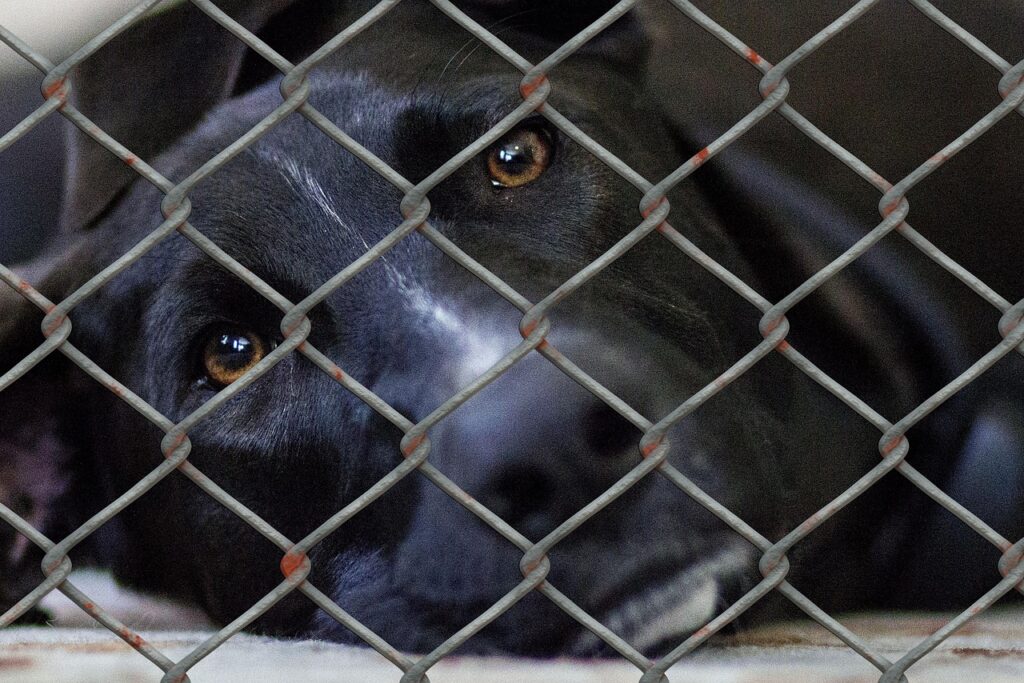
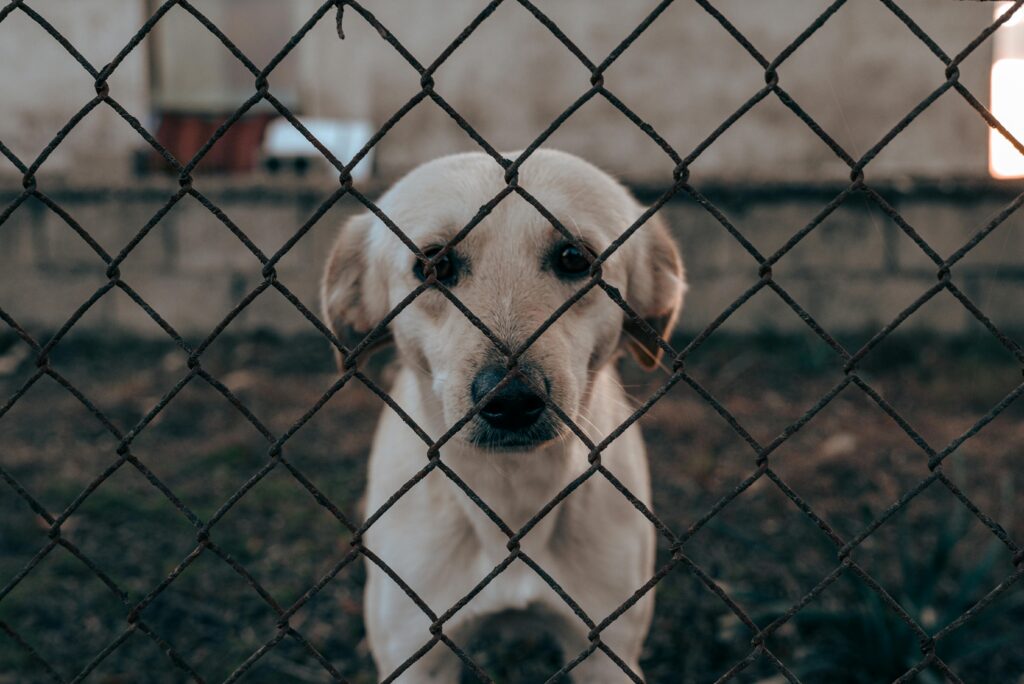
A white dog looks through a chain-link fence in an outdoor setting.

Inspiring Rescue & Rehabilitation Stories: Triumph Over Trauma

Every dog’s journey from suffering to safety reminds us of the resilience of these remarkable animals—and the power of human compassion. Below are three real-world stories that showcase rescue teams and foster families working hand-in-paw to heal broken bodies and spirits. May their victories inspire you to support canine rescue and, perhaps, welcome a new best friend into your home.

1. Max: From Puppy Mill Prisoner to Family Guardian

Background:
Max spent the first two years of his life in a cramped cage in an unlicensed puppy mill. He’d never felt grass beneath his paws or human touch beyond rough handling.

Rescue & Rehabilitation:

  • Seizure Operation: Local authorities, tipped off by undercover investigators, raided the facility, freeing 42 dogs.
  • Immediate Care: Vets treated Max’s severe skin infections and malnutrition. A foster home provided daily baths, high-calorie meals, and gentle affection.
  • Behavioral Rehab: A dedicated trainer used positive reinforcement to teach Max basic commands and build his trust in people.

Happy Ending:
Today, Max is a certified family therapy dog. He visits hospitalized children, his calm demeanor a source of comfort. His once-ashen coat is glossy, and his tail never stops wagging.

2. Bella: Healing After the Horrors of Dog Fighting

Background:
Bella was found at the edge of an abandoned warehouse, her ears cropped and her body scarred from repeated fights. She was fearful of strangers, flinching at sudden movements.

Rescue & Rehabilitation:

  • Immediate Medical Care: Vets performed surgery on a shattered hip and treated deep puncture wounds.
  • Safe Shelter Environment: A no-stress foster home provided Bella with a quiet room, soft bedding, and slow introductions to volunteers.
  • Confidence-Building Activities: Shelter staff introduced puzzle feeders and gentle leash walks to build physical strength and mental stimulation.

Happy Ending:
Bella now lives with a loving couple who adopted her after six months of rehabilitation. She’s even learned to enjoy low-key dog-park visits and has made doggie friends. Her favorite game? Chasing bubbles in the backyard!

3. Shadow: From Hoarding Nightmare to Community Mascot

Background:
In a single hoarding case, 73 dogs were discovered living in filth. Shadow, underweight and matted, was too terrified to approach anyone.

Rescue & Rehabilitation:

  • Mass Rescue Coordination: A coalition of shelters pooled resources to transport dogs to veterinary hospitals and foster homes.
  • One-on-One Socialization: Shadow’s foster parent spent hours each day sitting quietly with her, offering treats by hand until trust formed.
  • Gradual Enrichment: Once she learned to eat normally again, Shadow was introduced to short play sessions with calm canine companions.

Happy Ending:
Shadow has blossomed into Happy, the mascot for her local humane society. She welcomes visitors to adoption events, sporting a bright bandana and a radiant smile—proof that kindness can rewrite the darkest stories.

Key Takeaways and How You Can Help

Support Rescue Organizations: Donate funds or supplies to groups specializing in mill rescues, dog-fighting victims, and hoarding cases.

  1. Foster When You Can: Temporary homes free up vital shelter space and give dogs one-on-one attention.
  2. Adopt, Don’t Shop: Shelters overflow with dogs of all ages and breeds—many with purebred lineage and all with hearts full of love.
  3. Volunteer & Advocate: Lend your time walking dogs, assisting at adoption events, or campaigning for stronger animal-welfare laws.
  4. Spread Their Stories: Share posts like this one—awareness fuels action, and every view could be the spark that saves a life.

These triumphs over trauma remind us that with patience, expertise, and boundless compassion, even the most broken spirits can learn to trust again.

Will you be part of the next success story?
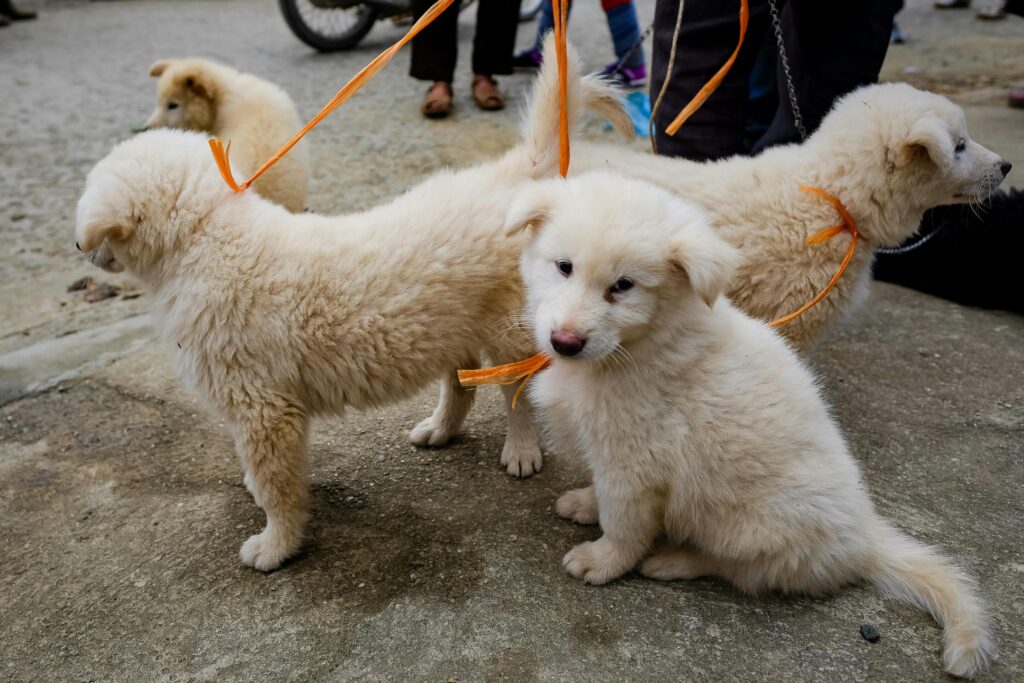
Group of fluffy white puppies with orange leashes, outdoors in Lào Cai, Vietnam.

Puppy Mills: The Hidden Cruelty Behind Mass Breeding

Behind the cheerful window displays of pet stores and polished photos on online listings lies a much darker reality: puppy mills. These large-scale breeding operations prioritize profit over the well-being of dogs, producing litter after litter in harsh, neglectful conditions. To make informed choices—and help stop this cruelty—it’s vital to understand what puppy mills are, how they operate, and what you can do to avoid supporting them.

1. What Are Puppy Mills?

Puppy mills (sometimes called backyard breeders) are large-scale facilities designed to maximize the number of puppies sold, often under minimal or no regulation. Typical practices include:

  • Hundreds of dogs are confined in stacked cages.
  • Females bred at the first opportunity, with no recovery time between pregnancies.
  • Males kept solely to service females.

The focus: high output, low investment—with little consideration for health, socialization, or quality of life.

2. Inside a Puppy Mill

Investigations and inspections commonly reveal:

  • Overcrowding & filth: Wire-floor cages where animals live in their own waste.
  • No veterinary care: Illnesses, infections, and birth defects go untreated.
  • Zero socialization: Dogs rarely experience play, affection, or environmental enrichment.
  • Overbreeding: Females may produce 4–6 litters annually, often resulting in their premature disposal.

The result is chronic suffering, poor health, and puppies predisposed to medical and behavioral issues.

3. Why Puppy Mills Persist

  • Federal law: USDA licenses some breeders under the Animal Welfare Act, but enforcement is weak and underfunded.
  • State law: Oversight varies widely, with many states having minimal inspection requirements.
  • Loopholes: Operators skirt the rules by posing as “hobby breeders” or selling puppies across state lines.

4. The Toll on Dogs

Physical health:

  • Congenital disorders (hip dysplasia, heart problems).
  • Chronic ear/skin infections, poor dental health, and malnutrition.

Mental well-being:

  • Fear, aggression, or anxiety around people.
  • Difficulty adjusting to a home environment (house-training, interaction).
  • Behavioral challenges that sometimes lead to abandonment.

5. How Mill Puppies Reach Buyers

  • Pet stores: Often sourced from brokers who distribute mill-bred puppies.
  • Online marketplaces: Listings with flashy claims of “rare” or “champion bloodlines” but no transparency.
  • Puppy brokers: Middlemen obscuring the origins of the dogs.

Beautiful photos mask the suffering behind the scenes.

6. Red Flags When Buying a Puppy

  • Refusal to let you visit the breeder’s facility.
  • Puppies are delivered at neutral locations (parking lots, public spaces).
  • Multiple litters or breeds available at once.
  • Puppies separated from mothers too early, or mothers hidden from view.
  • Vague promises of “health guarantees” with no veterinary records.

7. Better Alternatives

✔ Adopt from shelters and rescues—millions of dogs, including purebreds, are waiting for homes.
✔ Work with ethical breeders—seek small-scale operations that health-test parents, welcome visits, and maintain a waiting list.
✔ Breed-specific rescues—specialized groups often rehabilitate and rehome abandoned dogs from the very breeds sold by mills.

8. How You Can Help End Puppy Mills

  • Educate others: Share facts, posts, and resources to raise awareness.
  • Boycott pet stores selling puppies: Support businesses that partner with shelters instead.
  • Report suspicious breeders: Contact your state’s animal welfare agency or the USDA with details.
  • Advocate for legal reform: Push for stronger laws, retail-sale bans, and better enforcement.
  • Support enforcement & rescue groups: Volunteer, donate, or foster to help dogs rescued from mills.

Conclusion

Puppy mills thrive in secrecy, exploiting dogs for profit while hiding cruelty behind cute photos and promises. But every informed choice—whether adopting, demanding ethical breeding standards, or speaking out—chips away at this industry.

Take Action Today:

  • Visit your local shelter before buying.
  • Ask tough questions about a breeder’s practices.
  • Support laws and movements pushing to end retail sales of commercially bred puppies.

Together, we can close the puppy-mill pipeline and ensure every wagging tail is the product of care—not cruelty.


JUST FOR YOU:

new painting series alert!

I got a couple of art updates for you this week! I have started a new piece for the live painting I will be doing at Dogfest in Oklahoma City on October 5th. It’s called “Justice For Bane”. If you don’t know the story about Bane, you need to. You can read his story here.

Bane’s painting will be on sale and half of the proceeds will be donated to Canine Companions. They provide service dogs to adults, children and veterans with disabilities and facility dogs to professionals working in healthcare, criminal justice and educational settings. Since their founding in 1975, their dogs and all follow-up services are provided at no cost to their clients.

I have also decided to start a new painting series called “Happiness”. The proceeds of “Happiness” is to help me spread the message of awareness and empathy to larger venues and expos. Limited Edition Prints and originals will be available and proceeds from this series will also help me restock on much-needed supplies as well.

I will be writing more on this series in the near future but I will say that these paintings will coincide with the activism art. Get ready to see mermaids and puppies! Which are things that make me happy.

That’s all for now! See you next week!

I’LL KEEP THIS SHORT AND sWEET!

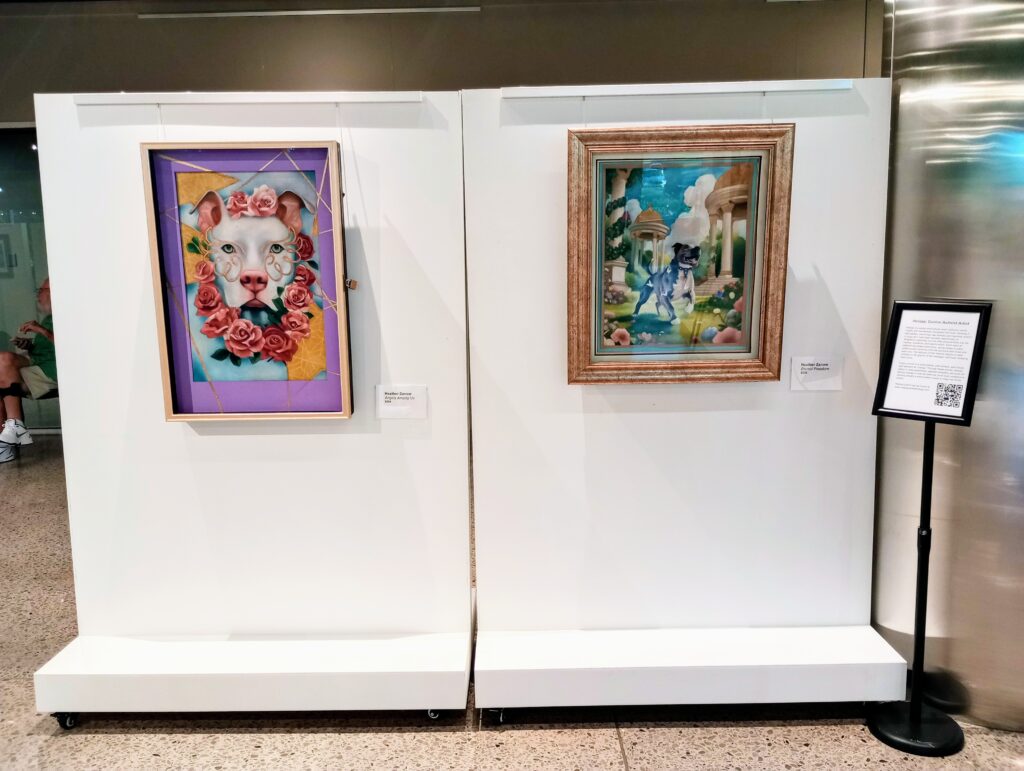
Hi everyone! In a previous email, I had mentioned that I was a member of the Ozark Pastel Society. As a member, I get frequent opportunities to participate in art exhibits in certain event spaces across the area and this time, I was able to signup two pieces for the open art exhibit at the ACHE Building in Fort Smith, which was great because it was close to home and free! The two paintings in the photo will be up for display until November 18 so if you find yourself or your family looking for something to do on the weekend, stop by the ACHE Building and see these pieces in all their glory plus paintings from 26 regional pastelists as well.

The grand opening for this exhibit was on September 11 and it was a fantastic turnout! All went well, except for one thing…the title cards were assigned to the wrong paintings!!! LOL! No one else had this issue except for yours truly! That’s my luck though!! Thankfully, a family member did not stand for it and switched the cards back and saved the day!!

Other than that, all was good! On to the next one!

That’s pretty much all my news for today! I got some more shows coming up in the following weeks so I’ll be busy preparing for those. If you know of any show or event that I could be a part of, please let me know! I’m open to anything!

See ya next weekend!

Inside Underground Dog Fighting: how it works and how you can shut them down!

Dog fighting is one of the most violent and cruel forms of organized animal abuse. Despite being a felony in all 50 U.S. states and outlawed federally, it continues to operate in the shadows, fueled by gambling profits and secrecy. To dismantle it, communities must understand how these rings function, the signs to look for, and the steps to take if abuse is suspected.

How Dog Fighting Rings Operate:

Breeding and Recruitment

Organizers selectively breed or buy dogs for aggression, most often pit bull–type breeds. Some operate illegal puppy mills to supply “fighting stock.”

Training and Conditioning

Dogs may be chained outdoors, subjected to harsh drills on treadmills, or forced into fights with “bait” animals. Abuse often includes starvation cycles, steroids, ear-cropping, or intentional scarring to harden dogs for the ring.

Events and Gambling

Fights are staged in barns, warehouses, basements, or backyards—locations change frequently. Betting can reach thousands of dollars per fight.

Secrecy and Operations

Entry is by referral only, often coordinated through burner phones, encrypted apps, or coded language. Venues shift constantly to evade law enforcement.

Warning Signs of Dog Fighting: Look out for:

Multiple dogs are kept on heavy chains with scarring or cropped ears. Odd property setups—makeshift arenas, dirt pits, bleachers, or bloodstained surfaces. Frequent visitors at unusual hours, especially with out-of-town license plates. Sounds of animals fighting, loud cheering, or commotion after dark. Signs of high-stakes gambling, such as cash boxes or betting slips. ⚠️ Do not confront suspected organizers directly. Document safely (photos, vehicle details, and times) from public spaces and report it to the authorities.

Laws and Penalties Federal law: The Animal Welfare Act and the Dogfighting Prohibition Act impose fines up to $250,000 and up to five years in prison. State law: Dog fighting is a felony nationwide. Penalties often include prison time, fines, and restitution to shelters caring for rescued dogs.

How to Take Action:

Report Suspicious Activity

Emergency violence: Call 911 immediately.

Hotlines: ASPCA Animal Cruelty Hotline: 1-877-7-ASPCA

Humane Society of the United States: 1-866-720-2676

FBI tip line for organized crime: tips.fbi.gov

Document Evidence Responsibly

Note dates, times, and license plates from a public vantage point. Avoid trespassing or putting yourself in danger.

Support Rehabilitation

Volunteer or donate to organizations rescuing and rehoming former fighting dogs. Foster programs are critical to help traumatized dogs heal.

Educate and Prevent

Work with neighborhood watch groups to add animal-cruelty awareness. Encourage schools to integrate humane education and empathy training. Share reliable resources on social media to build community vigilance.

Advocate for Stronger Laws

Lobby for funding animal-crime enforcement units. Support legislation to close loopholes in gambling and dog transport. Push for harsher penalties for organizers and financiers.

Conclusion

Underground dog fighting thrives on silence and secrecy. Every report, every hotline call, every act of community awareness helps bring this cruelty into the open. By recognizing the warning signs, supporting law enforcement, and standing with rescue organizations, we can weaken these networks and give surviving dogs a second chance.

Take Action Now

Save reporting hotlines. Share educational materials with neighbors and schools. Support rescue shelters and rehabilitation organizations. Together, we can end dog fighting and ensure every dog is treated with the dignity, safety, and compassion they deserve.

Cya next time!

Teaching Compassion Early: 6 Effective Anti-Cruelty Education Programs for Youth

Research consistently shows that teaching children empathy and respect for animals at an early age fosters lifelong compassion and responsible citizenship. By integrating humane education into schools, youth programs, and community initiatives, we can help prevent cruelty before it starts while nurturing the next generation of advocates. Below are six proven approaches that combine learning, creativity, and hands-on action.

1. “Be Kind to Animals” Week (Grades K–5)
Overview: A one-week series hosted by many local humane societies, combining literacy, art, and service.

  • Storytime: Animal-themed books prompt discussion about responsibility and friendship.
  • Kindness Pledges: Children commit to simple actions, such as feeding or walking their pets.
  • Craft Projects: Activities like designing “gentle play” reminders reinforce humane treatment.
  • Shelter Tour: Students observe how volunteers care for, socialize with, and feed animals.
    Impact: Empathy is reinforced through both creative expression and real-world examples.

2. ASPCA “Kind Kids” Curriculum (Grades 3–6)
Overview: A structured classroom program that combines lessons, role-play, and service projects.

  • Teaches the five essentials of care: food, water, shelter, medical attention, and love.
  • Role-play scenarios prepare students to respond appropriately to cruelty.
  • A “stuffed animal adoption” project simulates responsibility.
    Impact: Builds empathy while teaching children safe, practical steps to protect animals.

3. “Puppy Mill Detective” Interactive Game (Ages 9–12)
Overview: A browser-based educational game where players investigate signs of cruelty.

  • Players identify neglect, earn “kindness points,” and unlock humane care resources.
    Impact: Complex issues, such as large-scale breeding operations, are made accessible through interactive, age-appropriate gameplay.

4. Shelter Supply Drive + Volunteer Day (Middle & High School)
Overview: A service-learning project that combines fundraising, volunteering, and reflection.

  • Students organize a supply drive for shelters.
  • They participate in supervised volunteer activities such as walking dogs or cleaning kennels.
  • A reflection session deepens understanding of the human-animal bond.
    Impact: Moves students from awareness to direct advocacy and sustained community engagement.

5. Puppetry & Storytelling Workshop (Grades K–2)
Overview: A creative introduction to empathy using puppets and guided storytelling.

  • Children create “canine character” puppets.
  • Stories explore feelings of fear, hunger, or loneliness.
  • Role-play encourages problem-solving and compassionate responses.
    Impact: Provides a safe, age-appropriate foundation for empathy and action.

6. Animal Welfare Ambassador Club (Grades 6–12)
Overview: An extracurricular leadership program that empowers students with advocacy skills.

  • Education Team: Creates posters and presentations.
  • Outreach Team: Partners with local clinics or shelters.
  • Advocacy Team: Engages in civic efforts such as letter-writing campaigns.
    Impact: Encourages long-term civic engagement and positions youth as community leaders.

Conclusion
Effective humane education combines knowledge, empathy-building, and action. Whether through classroom programs, creative workshops, or student-led advocacy, these initiatives prepare young people to recognize and prevent cruelty while fostering a culture of compassion.

For Educators and Community Leaders:

  • Explore ASPCA’s humane education resources: www.aspca.org
  • Learn more about global humane education initiatives through Humane World for Animals: www.humaneworld.org
  • Partner with local shelters to integrate service-learning opportunities.

By introducing these programs early, we not only safeguard animals but also nurture empathy, responsibility, and community values in the next generation.

Cya next time and Happy Labor Day!

Why Are People Cruel to Dogs? Understanding—and Challenging—the Roots of Abuse.

Dogs have stood beside us for thousands of years—comforting, working, playing, and simply being there. And yet, cruelty persists: neglect, abandonment, violence, exploitation. As an artist who honors mistreated animals in my work, I keep asking: why do people harm such trusting beings—and how do we stop it?

This post unpacks common drivers of cruelty. Naming them doesn’t excuse them; it helps us intervene more effectively. If you suspect abuse, report it to local authorities or animal control, and connect with organizations equipped to help.

  1. Lack Of Knowledge
    Many cases begin in ignorance, not malice. People bring home a dog without understanding needs like socialization, exercise, vet care, enrichment, or safe shelter. Misconceptions—“dogs are fine outside,” “they’ll figure it out”—can turn into chronic neglect. Education changes outcomes. Explore practical pet-care guidance through the ASPCA’s resources and Humane World’s Learn section for trusted tips.
  2. Emotional And Psychological Factors
    Harm can be an outward expression of inner pain. Cycles of violence, untreated trauma, substance use, or intense stress can make dogs targets for displaced anger. That truth doesn’t mitigate the harm—it signals where prevention lives, too. Pairing accountability with mental health support can protect both people and pets.
  3. Culture And Systems
    Cruelty often hides inside norms and industries:
  • Dogfighting and other forms of animal fighting thrive where exploitation is tolerated.
  • Puppy mills treat dogs as inventory, not lives.
  • Overburdened communities may default to inhumane responses to stray populations.
  1. Economic Pressure And Access to Care
    Poverty, housing instability, and limited veterinary access strain families and animals alike. When care feels out of reach, neglect can follow. Solutions exist:
  1. Intentional Cruelty And Control
    Some cruelty is deliberate: a way to dominate, to shock, or to bond over violence. Strong laws and consistent enforcement matter, as do visible pathways for reporting and safe, anonymous tips. Advocacy makes this possible.

What you can do now

  • Learn the signs: sudden weight loss, untreated injuries, constant tethering, filthy or unsafe living conditions, extreme fear or shutdown, nonstop barking or despair.
  • Report, safely: Contact local animal control or law enforcement. Provide dates, times, locations, and photos or video if it’s safe to do so.
  • Build community: Share accurate resources, host neighborhood conversations, and encourage schools to teach compassion and responsible care.
  • Create change with your gifts: If you’re a storyteller, artist, organizer, or educator, use your platform to humanize dogs’ experiences and mobilize support.

Why it matters
Honoring the canines that suffer means refusing indifference, choosing compassion, and acting. Cruelty grows in silence; it retreats in the light of collective attention.

I’d love to hear your thoughts. Have you witnessed or helped prevent cruelty? What worked? Share your experiences—your insight might be the lifeline someone needs.

Together, we can build the kinder world dogs deserve.

Until next time!

Stray dog lying on grass in an urban park, showcasing a tranquil moment on a warm day.

When We Look Away: How Cruelty Thrives And What We Can Do About It.

Every year, millions of dogs suffer in silence—neglected, abused, or exploited right under our noses. These acts of cruelty rarely happen in some far-off place; more often, they unfold in our own neighborhoods, on our own streets, sometimes even next door. The hard truth is this: when we turn away, cruelty finds room to grow. This post takes a closer look at why our inattention matters, and how each of us can help stop the cycle.

The Impact of Our Attention

Dogs are social creatures who rely on us for more than just food and shelter—they need interaction, protection, and simple kindness. Our involvement, or lack of it, can change everything for them.

Visibility as Prevention
A neglected dog chained in a backyard, hidden behind fences or in garages, can easily go unnoticed. But when we walk our neighborhoods, pay attention, and connect with our community, we make it harder for cruelty to stay hidden.

The Importance of Connection
A gentle word, a daily walk, a playful toss of a ball—these small acts validate a dog’s existence. When we ignore them, we strip away their sense of safety and belonging.

Why do people look the other way?

The Bystander Effect
When we see (or suspect) something wrong, we often assume someone else will step in. This collective hesitation lets abuse fester.

Compassion Fatigue
Constant exposure to stories of suffering can numb us. To protect ourselves, we “tune out”—but in doing so, we leave vulnerable animals without support.

Denial and Excuses
It’s easier to believe “someone else will help” or to rationalize what we see, rather than confront uncomfortable truths or get involved.

The Bigger Picture: Systems and Culture

It’s not just about individuals. Larger forces can make it easier for cruelty to persist.

Weak Laws and Loopholes
In some places, animal welfare laws are poorly enforced, full of exceptions, or simply too weak. Puppy mills, backyard breeders, and dogfighting rings exploit these gaps.

Cultural Attitudes
When dogs are seen as property or just “livestock,” neglect or abuse is often shrugged off as normal.

Resource Gaps
Shelters and rescue groups are overwhelmed. Sometimes, people don’t report abuse because they believe it won’t make a difference.

What Cruelty Looks Like—And Why It’s Missed

  • The Forgotten Backyard: A litter of puppies hidden behind overgrown brush, unseen until it’s almost too late.
  • Puppy Mills: Dogs crammed in tiny cages, their suffering hidden from view until someone speaks up.
  • Urban Neglect: Stray dogs beaten, tied up, or ignored; neighbors hear barking but are afraid to get involved.

How You Can Make a Difference

It doesn’t take much to start making things better.

Learn the Signs
Watch for malnourished dogs, matted fur, visible wounds, excessive barking, or poor living conditions.

Speak Up—Safely
If you suspect neglect or abuse:

  • Contact local animal control.
  • Report anonymously if you’re worried about retaliation.
  • Document details—photos, dates, or times can help.

Support Rescues

  • Volunteer, foster, or help with transport.
  • Donate supplies, funds, or even artwork for fundraising.
  • Use your voice online—share posts, tag shelters, and use hashtags like #ReflectRecognizeRescue.

Raise Community Awareness

  • Organize neighborhood info nights or hand out flyers.
  • Encourage schools to teach empathy and responsibility.
  • Talk about local laws and how to report concerns.

Change Begins With Us

When we choose to see, to listen, and to act, we disrupt the silence that cruelty depends on. Every call, every conversation, every shared resource chips away at the darkness.

Our Shared Responsibility

Canine cruelty hides in the shadows we create when we look away. Let’s stay aware, educate ourselves, and act with compassion—so that no dog is left unseen, unheard, or unloved.

Reflect. Recognize. Rescue.
Take a look around your community today. If you see a dog in need, be the one who chooses to care.

Close-up of stacked colorful pastel chalks, showcasing a vibrant array of colors and textures.

Soft Hues and Hard Truths: The Power of Pastel in Confronting Canine Cruelty

When most people think of pastels, they imagine gentle colors—powdery pinks, cool blues, buttery creams—evoking memories of springtime, innocence, or the delicate blush of dawn. Pastel art is often associated with softness, with beauty, with things that soothe the soul. But what happens when this gentle medium is used to tell stories that are anything but gentle?

This is the paradox, and the power, of pastel: its softness can be a vessel for confronting the hardest truths. In my journey as a pastel painter and advocate for canine welfare, I have found that these soft hues can open conversations about cruelty that might otherwise remain shuttered behind closed doors.

Softness as Invitation

There’s something inherently inviting about pastels. Their velvety texture and dreamy shades draw viewers in, inviting them to linger, to look deeper. This invitation is crucial when the subject matter is difficult. When I paint the haunted eyes of a neglected dog or the quiet dignity of a survivor, the gentle colors act as a bridge. They invite people to come close, to bear witness—when they might otherwise turn away from harsher depictions.

Pastel’s softness doesn’t dilute the reality; it opens the door to empathy.

Layering Pain and Hope

Pastels are a hands-on medium. Pigment clings to my fingertips, and each stroke is a direct connection between artist, subject, and viewer. I layer colors slowly, building depth and nuance: a whisper of blue beneath a scar, a bloom of gold around a muzzle, the faintest pink over ribs that shouldn’t show.

With each layer, I am not only painting fur and bone—I am painting stories. I am painting resilience. I am painting hope. These gentle hues become the language through which unspeakable pain can finally be voiced.

Turning Suffering into Beauty

It is not about making cruelty beautiful. It is about honoring the dignity of every dog, even those who have suffered. Pastel allows me to capture the softness that still lives in their gaze, the hope that refuses to die, the spirit that survives—even when the world has been unkind.

By rendering these stories in soft color, I am refusing to let the narrative end in darkness. I am insisting that there is light to be found, even in the most broken places. And in doing so, I invite viewers not only to witness, but to care, to act, to become part of the change.

Art as a Call to Compassion

The power of pastel lies not just in its beauty, but in its ability to move us—gently, but irresistibly—toward compassion. When we see cruelty through a lens of tenderness, we are reminded that change is possible, that empathy is still within reach.

I believe that every painting has the potential to be a small act of protest, a quiet act of remembrance, and a powerful plea for a better world. Through soft hues and gentle hands, we can confront even the hardest truths—and begin to heal them.

If you have ever paused in front of a pastel painting and felt your heart crack open, even just a little, then you’ve felt the power of soft hues to change the world. For the dogs who wait, who hope, who survive and endure—we owe them that softness, and so much more.

Let pastel be our invitation: to see, to care, and to never turn away.

Breaking the Cycle: How Adopting a Dog Helps End Canine Cruelty

Hey guys! Welcome back to the Bark Blog!

Every year, millions of dogs enter shelters across the country—most rescued from neglect, abuse, or abandonment. While the stories behind their soulful eyes may be difficult to hear, each adoption is a powerful act of kindness that helps break the cycle of canine cruelty. Adopting also shines a spotlight on animal welfare, and is the perfect moment to understand how choosing to adopt isn’t just about bringing home a new friend—it’s about standing up against cruelty and being part of the solution.


Adoption: Giving Survivors a Second Chance

Behind every shelter or rescue dog is a story. Some have been saved from hoarding situations, illegal backyard breeders, or puppy mills, where their welfare was an afterthought. Others have escaped chains, harsh weather, or simply the heartbreak of being unwanted. Adoption is a lifeline—it offers these survivors a chance to heal, to trust again, and to experience the warmth of a loving home, finally.

When you adopt, you’re sending a message: every dog deserves compassion, respect, and a life free from suffering.


How Adoption Fights Canine Cruelty

1. Undermining the Cruelty of Puppy Mills and Irresponsible Breeding
Puppy mills exist for profit, often at the expense of the animals’ well-being. Dogs in these facilities are denied proper veterinary care, socialization, and even basic comfort. By adopting from shelters and rescues instead of buying from pet stores or online sellers, you help cut off demand for these unethical operations.

2. Giving Shelter Dogs a Voice
Shelter animals are often overlooked, despite being just as loving and deserving as any other. When you choose adoption, you shine a light on their value and potential, encouraging others to follow suit and helping shelters advocate for higher standards of care.

3. Supporting Organizations That Stand Against Cruelty
Animal shelters and rescue groups are on the front lines, rescuing dogs from abusive situations and working tirelessly to rehabilitate them. Your adoption fee supports these organizations’ lifesaving work—medical care, training, advocacy, and community education.

4. Making Space for More Rescues
Every dog adopted opens up valuable space and resources at shelters, allowing staff to save and rehabilitate even more animals in need. Your act of kindness has a ripple effect, helping countless dogs escape cruelty and find safety.


How You Can Help End Canine Cruelty

  • Adopt, Don’t Shop: If you’re ready for a furry companion, visit your local shelter or rescue. Give a dog in need the love they’ve always deserved.
  • Spread Awareness: Share your adoption story or facts about shelter pets on social media. Help dispel myths and encourage friends and family to consider adoption.
  • Volunteer or Foster: Even if you can’t adopt right now, fostering provides a haven for dogs in transition. Volunteering your time helps shelters care for and socialize dogs who’ve endured cruelty.
  • Support Anti-Cruelty Legislation: Stay informed about local and national efforts to protect animals. Advocate for stronger laws and enforcement to shut down abusive breeding operations.
  • Donate: Shelters rely on donations for everything from food to medical care. Even a small gift can make a big difference for a dog in need.

In conclusion, when you adopt, you’re not only opening your heart and home to a shelter/rescue dog in need, but you’re also saving a life. You’re standing up for kindness, but most importantly, you’re breaking the cycle of cruelty, one wagging tail at a time! So, I challenge you to be the hero in a dog’s story, a story that could have ended in sorrow, but instead begins with hope.

That’s all for this week! Cya next time!

man, painting, paint, museum, artist, art, exhibit, frame, people, museum, museum, museum, museum, museum, frame

When Art Makes People Walk Away

Hey guys! Welcome back to the Bark Blog! Today, I wanted to share with you my response to an experience I had a few months ago.

When Art Makes People Walk Away

During a live painting demonstration at a local art show, I had an experience that left a mark–not on the pastel paper, but on my conscience.

I was deep in the process of painting an abstract version of a scene based on a true story of an abused and neglected dog when a fellow artist approached, looked at my work for a moment, and then said, “You shouldn’t be painting such terrible things. You should be painting the human-dog bond instead. It’s such a shame that your artistic skills are going to waste. Why do you paint cruelty when there are happier subjects to paint?”

I looked at him and replied, “I paint cruelty because there is more of it!”

He didn’t say anything else. He walked away.

The Encounter That Asked More Than It Seemed

At face value, it was just a difference of opinion. But under the surface, the moment held something deeper–a challenge to my voice, my purpose, my art. I walked away from that conversation not angry, but reflective.

Should I be painting what others want to see?

Should I be painting comfort over confrontation?

Should I silence the stories I feel compelled to tell?

Why I Paint What I Paint

The answer is simple, but not easy: I paint to witness.

I paint the stories of the abused, neglected, and discarded dogs because those stories are real. Because behind every pair of sad eyes is a history no one wants to talk about, and because art has the power to force people to look–when they’d otherwise turn away.

Some people want art to soothe; I want mine to speak.

The Problem With “Pretty Art”

There’s nothing wrong with painting the joyful side of the human/dog bond–it’s beautiful, and it deserves celebration. But pretending that’s the only side is dishonest.

To celebrate the bond while ignoring the betrayal is to tell only half the story–and to leave the most vulnerable voiceless.

The fellow artist thought I was wasting my skills. But if my pastel can give voice to the voiceless, stir discomfort, and start conversation–then I’m using every ounce of my ability exactly as I should.

When They Walk Away

The artist walked away because he was uncomfortable. And that’s okay.

Not everyone is ready to face what I paint–but that doesn’t mean the work should not exist. That discomfort is often the first sign that the art is doing its job.

As artist Ai Weiwei said:

“Art is about disturbing the comfortable and comforting the disturbed.”

I don’t paint cruelty for the sake of painting cruelty. I paint it because someone has to. Behind every layer of pigment, there’s a dog who didn’t get a second chance–or, sometimes, miraculously did. Because cruelty exists. And because silence is complicity.

To Fellow Artists And Viewers

If your art makes people uncomfortable, don’t retreat. Lean in. Your job is not to please everyone–it’s to tell the truth as you see it.

To those who stop and listen, who see the pain and stay anyway, thank you! You’re the reason I keep painting.

And to the dogs who can’t speak for themselves–this is for you.

That’s it for now! Cya next time!