

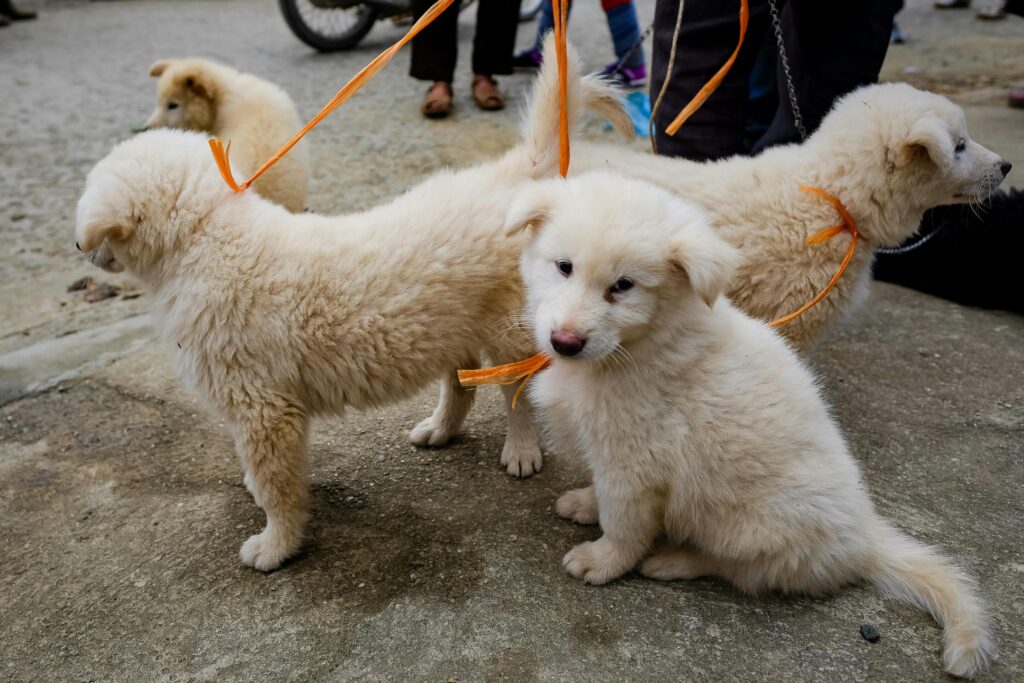
Behind the cheerful window displays of pet stores and polished photos on online listings lies a much darker reality: puppy mills. These large-scale breeding operations prioritize profit over the well-being of dogs, producing litter after litter in harsh, neglectful conditions. To make informed choices—and help stop this cruelty—it’s vital to understand what puppy mills are, how they operate, and what you can do to avoid supporting them.
1. What Are Puppy Mills?
Puppy mills (sometimes called backyard breeders) are large-scale facilities designed to maximize the number of puppies sold, often under minimal or no regulation. Typical practices include:
- Hundreds of dogs are confined in stacked cages.
- Females bred at the first opportunity, with no recovery time between pregnancies.
- Males kept solely to service females.
The focus: high output, low investment—with little consideration for health, socialization, or quality of life.
2. Inside a Puppy Mill
Investigations and inspections commonly reveal:
- Overcrowding & filth: Wire-floor cages where animals live in their own waste.
- No veterinary care: Illnesses, infections, and birth defects go untreated.
- Zero socialization: Dogs rarely experience play, affection, or environmental enrichment.
- Overbreeding: Females may produce 4–6 litters annually, often resulting in their premature disposal.
The result is chronic suffering, poor health, and puppies predisposed to medical and behavioral issues.
3. Why Puppy Mills Persist
- Federal law: USDA licenses some breeders under the Animal Welfare Act, but enforcement is weak and underfunded.
- State law: Oversight varies widely, with many states having minimal inspection requirements.
- Loopholes: Operators skirt the rules by posing as “hobby breeders” or selling puppies across state lines.
4. The Toll on Dogs
Physical health:
- Congenital disorders (hip dysplasia, heart problems).
- Chronic ear/skin infections, poor dental health, and malnutrition.
Mental well-being:
- Fear, aggression, or anxiety around people.
- Difficulty adjusting to a home environment (house-training, interaction).
- Behavioral challenges that sometimes lead to abandonment.
5. How Mill Puppies Reach Buyers
- Pet stores: Often sourced from brokers who distribute mill-bred puppies.
- Online marketplaces: Listings with flashy claims of “rare” or “champion bloodlines” but no transparency.
- Puppy brokers: Middlemen obscuring the origins of the dogs.
Beautiful photos mask the suffering behind the scenes.
6. Red Flags When Buying a Puppy
- Refusal to let you visit the breeder’s facility.
- Puppies are delivered at neutral locations (parking lots, public spaces).
- Multiple litters or breeds available at once.
- Puppies separated from mothers too early, or mothers hidden from view.
- Vague promises of “health guarantees” with no veterinary records.
7. Better Alternatives
✔ Adopt from shelters and rescues—millions of dogs, including purebreds, are waiting for homes.
✔ Work with ethical breeders—seek small-scale operations that health-test parents, welcome visits, and maintain a waiting list.
✔ Breed-specific rescues—specialized groups often rehabilitate and rehome abandoned dogs from the very breeds sold by mills.
8. How You Can Help End Puppy Mills
- Educate others: Share facts, posts, and resources to raise awareness.
- Boycott pet stores selling puppies: Support businesses that partner with shelters instead.
- Report suspicious breeders: Contact your state’s animal welfare agency or the USDA with details.
- Advocate for legal reform: Push for stronger laws, retail-sale bans, and better enforcement.
- Support enforcement & rescue groups: Volunteer, donate, or foster to help dogs rescued from mills.
Conclusion
Puppy mills thrive in secrecy, exploiting dogs for profit while hiding cruelty behind cute photos and promises. But every informed choice—whether adopting, demanding ethical breeding standards, or speaking out—chips away at this industry.
Take Action Today:
- Visit your local shelter before buying.
- Ask tough questions about a breeder’s practices.
- Support laws and movements pushing to end retail sales of commercially bred puppies.
Together, we can close the puppy-mill pipeline and ensure every wagging tail is the product of care—not cruelty.
JUST FOR YOU:
new painting series alert!
I got a couple of art updates for you this week! I have started a new piece for the live painting I will be doing at Dogfest in Oklahoma City on October 5th. It’s called “Justice For Bane”. If you don’t know the story about Bane, you need to. You can read his story here.
Bane’s painting will be on sale and half of the proceeds will be donated to Canine Companions. They provide service dogs to adults, children and veterans with disabilities and facility dogs to professionals working in healthcare, criminal justice and educational settings. Since their founding in 1975, their dogs and all follow-up services are provided at no cost to their clients.
I have also decided to start a new painting series called “Happiness”. The proceeds of “Happiness” is to help me spread the message of awareness and empathy to larger venues and expos. Limited Edition Prints and originals will be available and proceeds from this series will also help me restock on much-needed supplies as well.
I will be writing more on this series in the near future but I will say that these paintings will coincide with the activism art. Get ready to see mermaids and puppies! Which are things that make me happy.
That’s all for now! See you next week!